

Allen-Bradley PLC Programming & Repair: How NJT Built a Nationwide Technician Network
From legacy PLC-5 and SLC 500 to modern ControlLogix, matched to a technician who knows that system
The right expert depends on the specific problem
Table of Contents
Finding an experienced Allen-Bradley PLC programmer or repair technician isn't as simple as searching online. Modern industrial automation spans decades of hardware, multiple software platforms, and countless machine configurations.
A technician who specializes in legacy PLC-5 and SLC systems may rarely work with modern ControlLogix controllers. A Studio 5000 programmer may have extensive experience with EtherNet/IP networks but little experience diagnosing failed power supplies, damaged circuit boards, or obsolete communication modules.
No single technician can be an expert in every Allen-Bradley product family.
Over the years, NJT Automation recognized that customers weren't simply looking for Allen-Bradley PLC repair services. They were looking for the right expert for a specific problem.
That realization led NJT to develop a nationwide network of independent automation specialists and, eventually, RepairMode, a platform designed to help connect repair work with specialized technical expertise while allowing NJT to manage the process for its customers.
Why Specialized Allen-Bradley PLC Technicians Matter
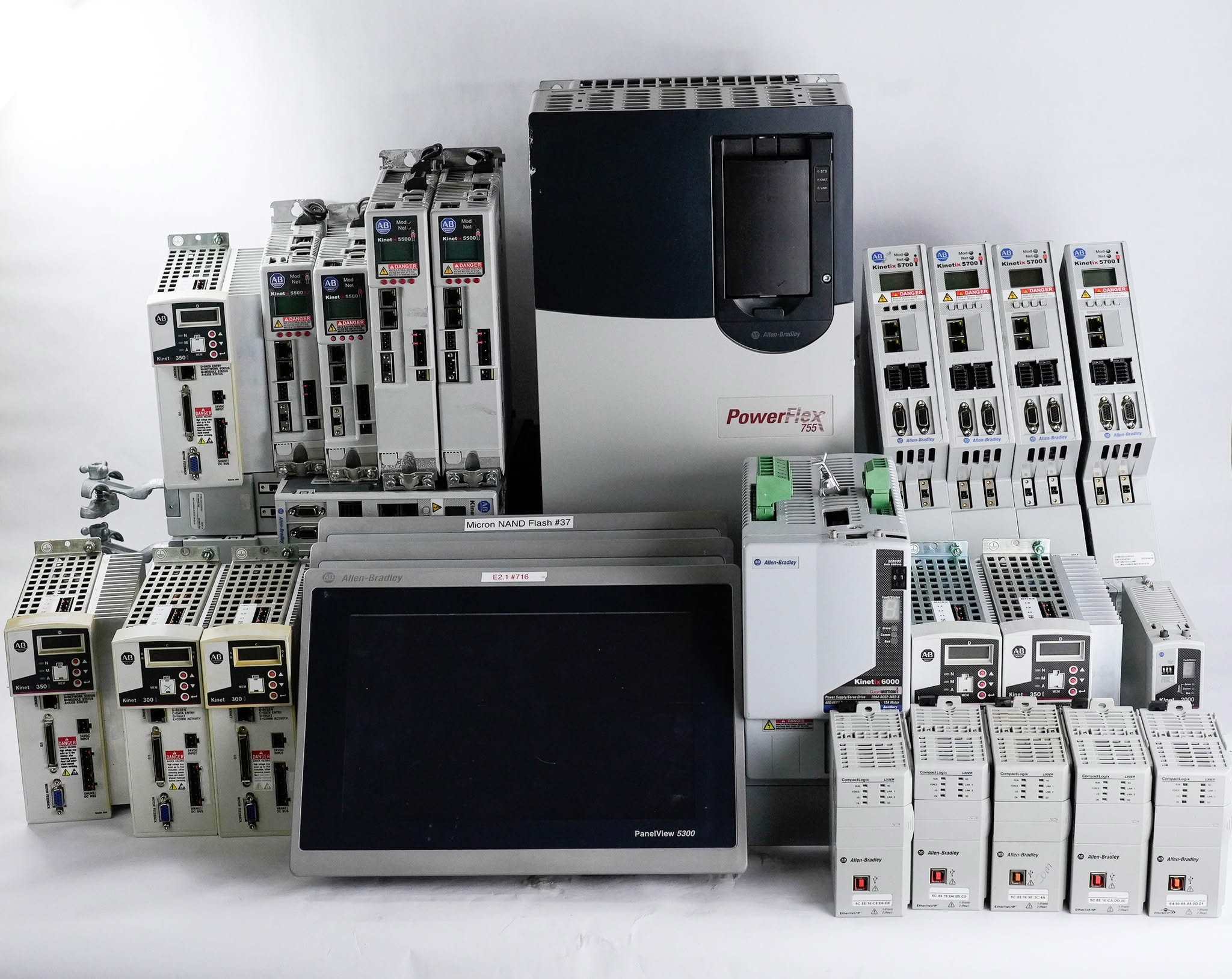
Allen-Bradley equipment can be found throughout manufacturing plants, food processing facilities, water treatment systems, packaging lines, material handling systems, and countless other industrial environments.
While the equipment may share the Allen-Bradley name, the expertise required to work on it varies dramatically.
A project might require:
- PLC programming using Studio 5000 or RSLogix
- Ladder logic modifications
- PLC program recovery
- Firmware recovery
- Communication troubleshooting
- EtherNet/IP network diagnostics
- PanelView HMI programming and configuration
- PowerFlex drive setup
- Servo and motion control troubleshooting
- Component-level electronic repair
- Legacy PLC troubleshooting
These are very different skill sets.
For example, a failed PLC may need component-level board repair, while another controller from the same product family may need firmware recovery, program restoration, or communication troubleshooting.
A technician who has spent decades repairing PLC-5 and SLC 500 hardware may be the right person for one problem, while a controls engineer who works with ControlLogix and Studio 5000 every day may be better suited for another.
The challenge isn't simply finding a technician. It's finding the technician whose experience matches the problem.
The Challenge With Traditional PLC Repair Models
Many industrial electronics repair providers operate using a centralized bench repair model. Equipment arrives at one facility and is handled by the technicians available at that location.
That model works well for many repairs, but industrial automation equipment has become increasingly specialized.
Customers may need:
- An experienced Allen-Bradley PLC programmer
- A field service technician
- A component-level electronics repair specialist
- A legacy controls expert
- A servo or motion control specialist
- Someone familiar with a specific machine or industry
- A technician experienced with an obsolete product family
Finding all of those capabilities within a single repair facility is difficult.
The problem becomes even greater as industrial equipment ages. Many PLCs, drives, HMIs, and control systems still operating in factories today were designed decades ago. At the same time, many of the technicians who spent their careers working with those systems are retiring.
The knowledge still exists, but it is increasingly distributed among specialists.
How NJT Built a Nationwide PLC Technician Network
Rather than trying to employ every type of automation expert under one roof, NJT began developing relationships with independent specialists across the United States and North America.
The network includes professionals with experience in:
- Allen-Bradley PLC programming
- Allen-Bradley PLC repair
- Industrial electronics repair
- Component-level circuit board repair
- PanelView HMI programming
- Servo and motion control
- PowerFlex variable frequency drives
- Legacy automation systems
- Machine commissioning
- Industrial controls troubleshooting
Instead of every repair being handled the same way, projects can be directed to technicians whose experience best matches the equipment and the problem.
A legacy PLC repair might be routed to someone who has worked with PLC-5 and SLC systems for decades. A ControlLogix programming issue may go to a specialist who regularly works in Studio 5000. A failed industrial circuit board may require an electronics technician experienced in diagnosing individual components rather than a PLC programmer.
The network allows NJT to draw from these different areas of expertise instead of expecting one technician or one repair bench to do everything.
From Technician Network to RepairMode
As NJT's technician network expanded, the challenge shifted from finding skilled technicians to efficiently connecting each repair with the right expertise.
RepairMode was developed to help solve that problem.
Instead of relying on a single repair facility or a small group of generalists, RepairMode allows repair work to be distributed among specialists based on the equipment, failure, technical requirements, and technician experience.
The platform helps coordinate:
- Repair intake and evaluation
- Technician matching
- Repair tracking
- Customer communication
- Technical documentation
- Shipping coordination
- Quality control
- Warranty management
This gives NJT access to a much broader range of repair capabilities while still providing customers with a single company responsible for managing the repair.
The customer doesn't need to find and coordinate multiple independent specialists. NJT manages the project while RepairMode helps connect the work with the expertise required to complete it.
NJT-Managed Allen-Bradley PLC Repairs
Every repair coordinated through NJT follows a managed process designed to reduce downtime and improve accountability.
Instead of customers searching for individual contractors, shipping equipment to unfamiliar repair shops, and managing multiple vendors themselves, NJT remains the central point of contact throughout the project.
Depending on the repair, NJT may coordinate:
- Initial equipment review
- Technician selection
- Repair evaluation
- Customer approval
- Repair and component replacement
- PLC programming or program recovery
- Progress updates
- Functional testing
- Return shipping
- Warranty support
This approach combines the flexibility of a distributed technician network with the consistency of a managed repair service.
It also means that difficult or unusual repairs aren't necessarily limited by the capabilities of a single repair facility. The goal is to find the person with the best experience for the problem.
Start with PLC repair, browse all repair services, or request a quote.
Allen-Bradley PLC Families and Systems
The Allen-Bradley installed base spans multiple generations of industrial automation technology. Different generations often require different software, programming equipment, troubleshooting methods, and technical experience.
NJT's technician network can help support projects involving systems such as:
- PLC-5
- SLC 500
- MicroLogix
- CompactLogix
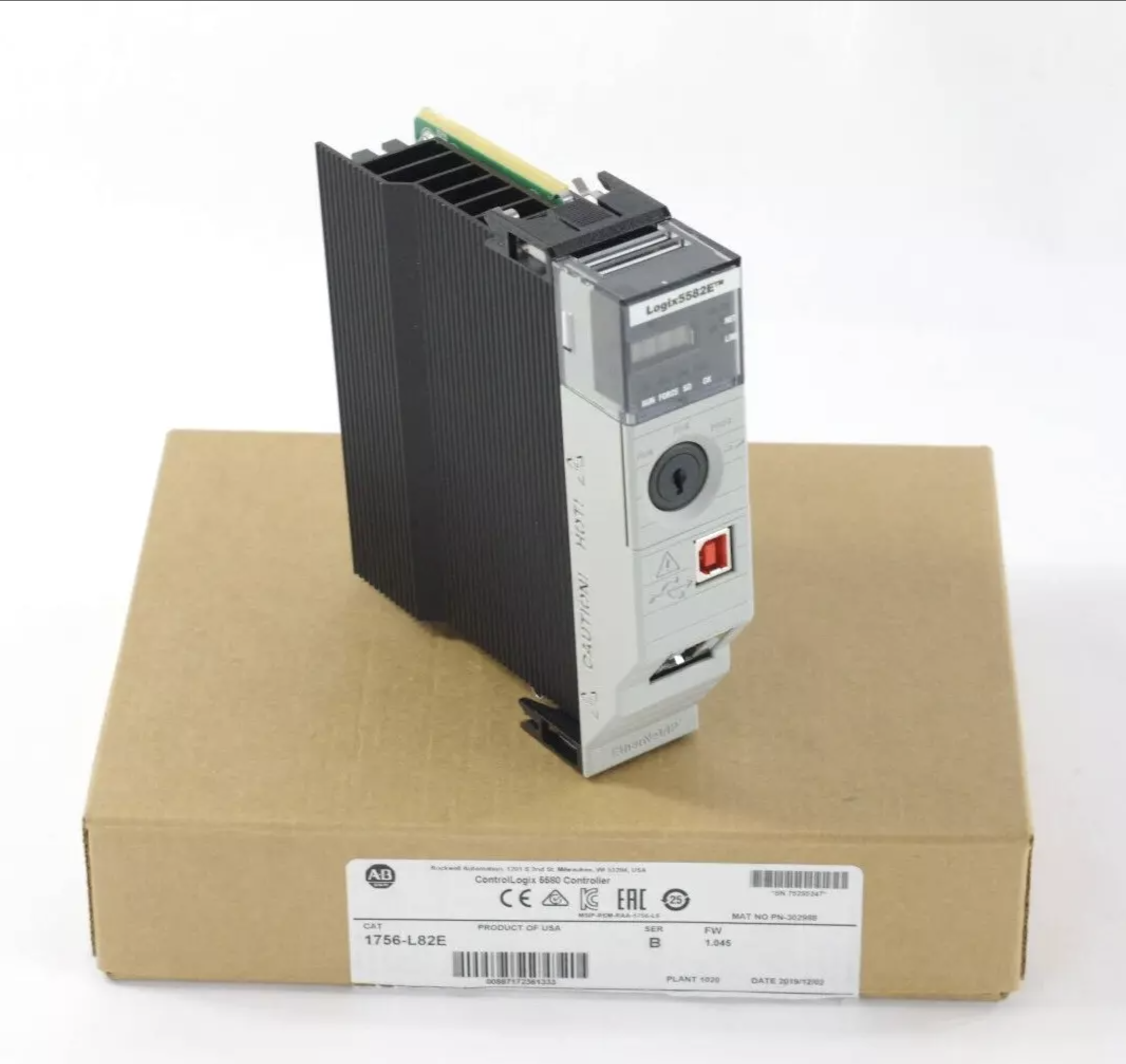
- ControlLogix
- GuardLogix
- PanelView and PanelView Plus
- PowerFlex drives
- Kinetix servo systems
- Legacy Allen-Bradley control equipment
Whether the problem involves PLC programming, hardware failure, communication issues, program recovery, or obsolete equipment, the objective is to connect the project with a technician familiar with that type of system.
Building a Deeper Pool of Industrial Automation Expertise
Industrial automation is becoming more specialized while much of the equipment operating in factories continues to age.
A modern manufacturing facility may contain recently installed ControlLogix processors alongside PLC-5 controllers, SLC 500 systems, legacy PanelViews, obsolete servo drives, and circuit boards that have been operating for decades.
Supporting that equipment requires an increasingly broad range of expertise.
The future of industrial repair isn't one repair shop trying to do everything. It's a network of specialists connected by a system that gets each repair to the person most capable of solving it.
That's the model NJT has been building.
By combining a nationwide network of Allen-Bradley PLC programmers, industrial electronics repair technicians, controls specialists, and legacy automation experts with the RepairMode platform, NJT can manage repairs across a much wider range of equipment and technical problems.
For customers, the objective remains simple: find the right expertise, complete more successful repairs, and get critical equipment back into service.
Frequently Asked Questions
Why is it hard to find one Allen-Bradley PLC technician for every job?
Allen-Bradley hardware spans decades of product families and very different skill sets. Legacy PLC-5 and SLC repair, Studio 5000 programming, EtherNet/IP diagnostics, PanelView configuration, PowerFlex setup, servo motion, and component-level board repair are not interchangeable. The right technician depends on the specific problem.
How does NJT's nationwide technician network work?
NJT develops relationships with independent automation specialists across the United States and North America, then routes work to people whose experience matches the equipment and failure. A legacy PLC-5 repair, a ControlLogix Studio 5000 issue, and a failed circuit board may each go to a different specialist.
What is RepairMode?
RepairMode is NJT's platform for connecting repair work with specialized technical expertise. It helps coordinate intake, technician matching, tracking, customer communication, documentation, shipping, quality control, and warranty, while NJT stays the single point of contact for the customer.
Do customers have to find and manage specialists themselves?
No. NJT remains the central point of contact. Customers do not need to find and coordinate multiple independent contractors or ship equipment to unfamiliar repair shops. NJT manages the project while drawing on the broader technician network and RepairMode coordination.