Manufacturers hire someone else to do it.
Why? They don't want to manage additional risk.
They just want their machines alive and running.
When a production line is down, a single hour of unplanned downtime often costs more than an expensive replacement part, even at two to three times market price. That is why, despite the size and liquidity of online marketplaces, most risk-sensitive industrial end users avoid buying critical electronics directly from them.
Some factories have learned how to vet listings and navigate eBay themselves.
Others don't even want to.
Just think: what does a plant manager say when the part they bought on eBay fails?
Risk is not limited to whether a part works. It also includes audit exposure, approved vendor compliance, traceability, internal controls, and the ability to defend a sourcing decision after the fact.
In practice, this means documented sourcing decisions, identifiable sellers, known revision history, test verification, and a party willing to stand behind the outcome after installation.
Open marketplaces rarely satisfy those requirements on their own.
Professional suppliers do.
Part Sourcing Built This Infrastructure
Repairs Never Got the Same Treatment
When something fails and replacement is too expensive or unavailable, a familiar set of problems appears:
- too many repair shops claim they can fix everything
- very few specialize with the depth of knowledge needed to repair that specific unit
- outcomes are unpredictable
- time is wasted on dead ends
- communication is slow and fragmented
- accountability is unclear and disputes drag on for weeks or months
- evaluation fees add friction before anything even happens
As a result, repair has historically been treated as a last resort. It does not happen frequently enough inside most organizations to build internal expertise.
Replacement becomes the default even when repair is faster, cheaper, and technically feasible.
To make matters worse, broken spare parts are often discarded when they could have been repaired and held as insurance against the next line-down event.
The issue is not that repair does not work.
The issue is that we never built infrastructure to make repair work reliably.
Increasingly, repair is not only an operational decision but a defensible institutional decision.
Public companies and global manufacturers now operate under formal ESG requirements that include e-waste reduction, lifecycle extension, and carbon footprint reporting. Scrapping repairable electronics makes those targets harder to meet and harder to defend.
Extending the life of existing electronics reduces e-waste, avoids replacement manufacturing emissions, and aligns with lifecycle reporting requirements.
A Real-World Example
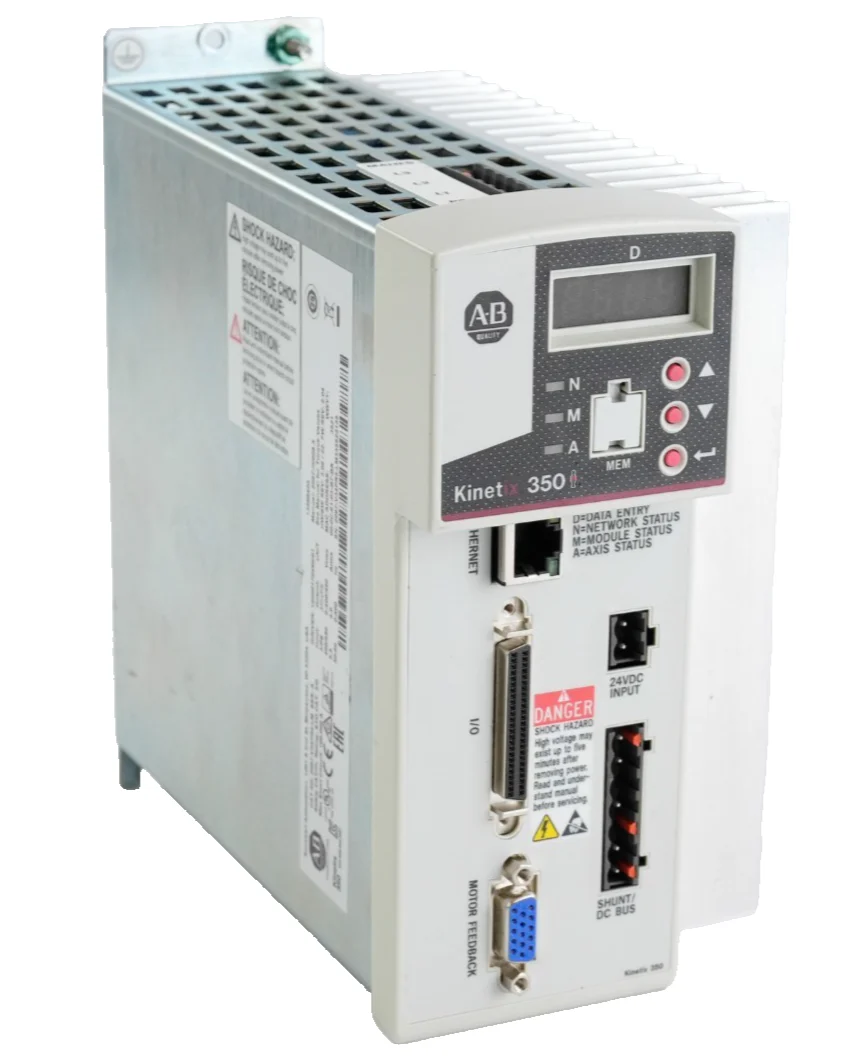
Allen-Bradley 2097-V34PR5
Kinetix 300 Servo Drive
From an industrial supplier, this drive often sells for over $6,000 refurbished. The refurbishment process is typically opaque. What facilities pay for is the warranty and risk transfer.
On eBay: $2,500–$4,000 used. Warranties are minimal and long-term accountability unclear.
On RepairMode: $500–$1,000 depending on technician and failure mode.
Through NJT Automation: $1,849.99 flat-rate with single point of accountability.
| Source | Price | Condition | Accountability |
|---|---|---|---|
| Industrial Supplier | $6,000+ | Refurbished | Full warranty |
| eBay (U.S.) | $2,500–$4,000 | Used | Money-back |
| eBay (Overseas) | <$2,500 | Unknown | Long-term risk |
| RepairMode | $500–$1,000 | Repair | Varies |
| NJT Automation | $1,849.99 | Repair | Single point |
Each option solves a different problem.
Actual outcomes vary by failure mode, revision, and urgency, but the ranges above reflect common real-world decisions manufacturers face.
What changes with managed repair is that repair becomes a predictable, defensible decision rather than a gamble.
The NJT option exists for manufacturing facilities that want a fixed outcome, a single contract, and one party accountable for the result.
The Missing Trust Layer Between Demand and Capability
The capability to repair has always existed.
Highly specialized technicians who can repair boards, drives, HMIs, and controllers are everywhere. Many genuinely enjoy the work. A precise repair can bring a multi-million-dollar machine back online.
Failure modes repeat. Patterns emerge. An "impossible" repair becomes routine by the tenth time.
The problem is not supply.
Industrial customers do not know:
- who can actually fix their unit
- who is worth the time
- who delivers outcomes versus promises
This is a visibility and trust problem.
NJT Automation's Role
NJT Automation is one of the providers manufacturers rely on when risk matters.
Manufacturing facilities submit RFQs for parts and repairs because they know they are dealing with a company that understands urgency, consequence, and accountability.
NJT has triaged, routed, and warrantied thousands of industrial repairs across drives, HMIs, PLCs, and servo systems, with the RepairMode network handling repairs spanning dozens of OEM product families.
RepairMode by itself is a capability visibility layer, not a trust layer. Left unmanaged, it would suffer from the same problems as any open marketplace. NJT exists to filter, route, and assume responsibility for outcomes so manufacturing facilities never interact with that complexity directly.
RepairMode provides access to capability.
NJT makes that access safe to use.
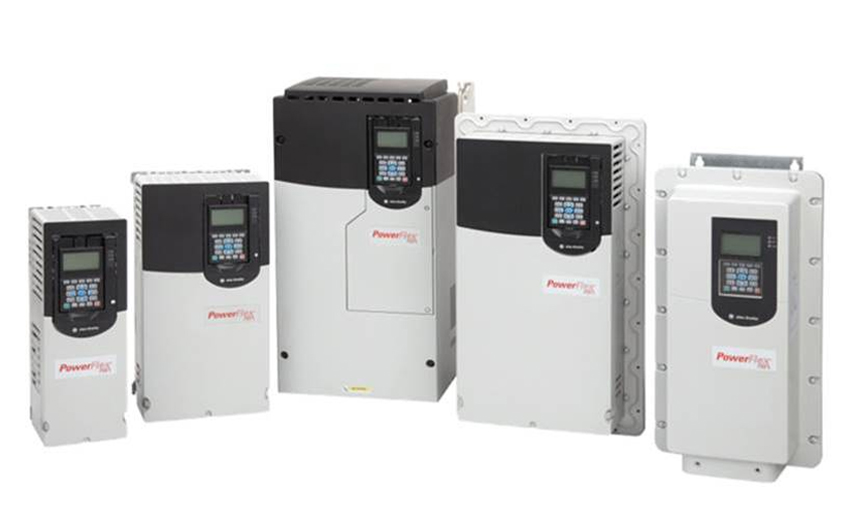
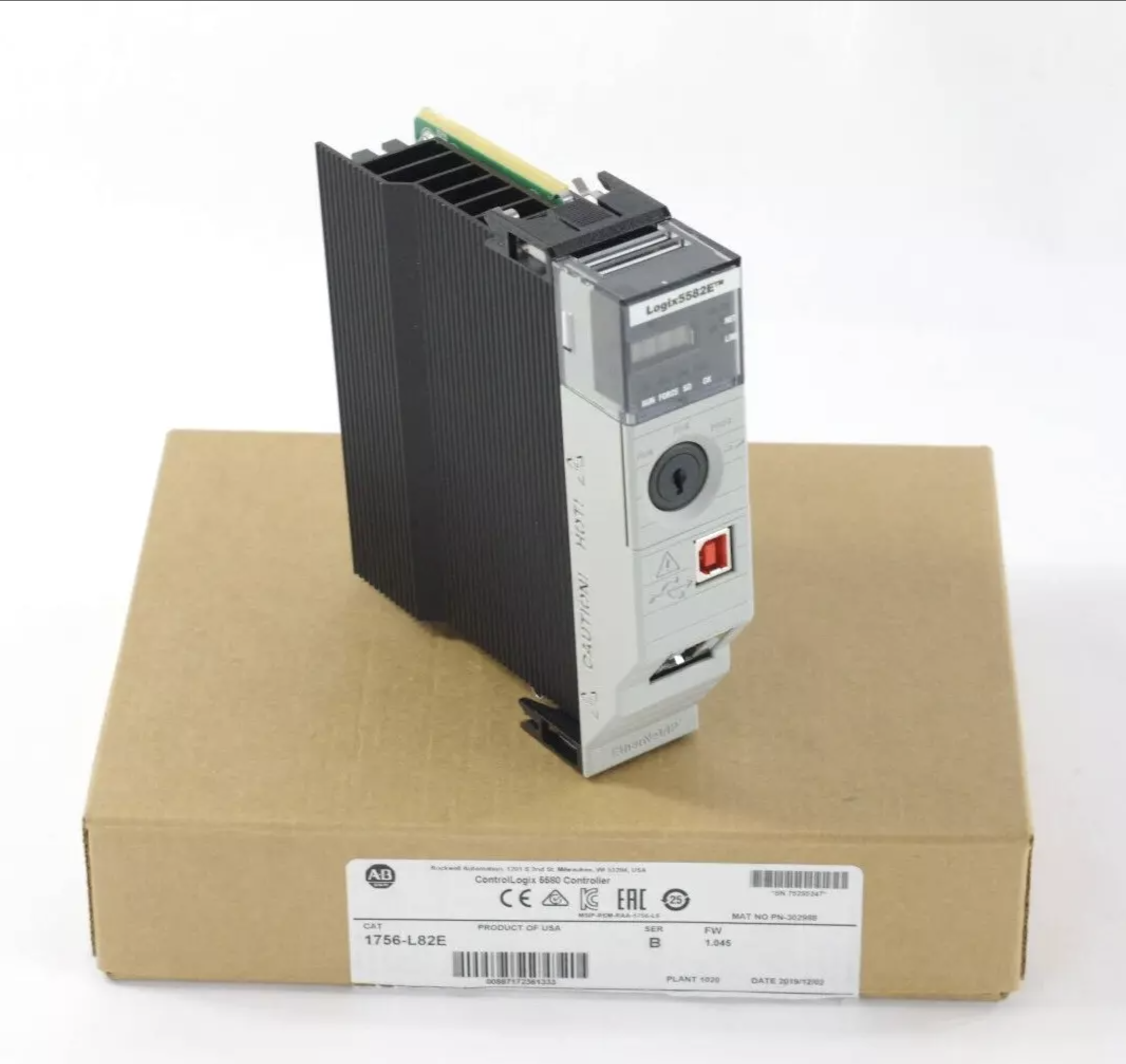
Common Product Families Repaired Through NJT & RepairMode
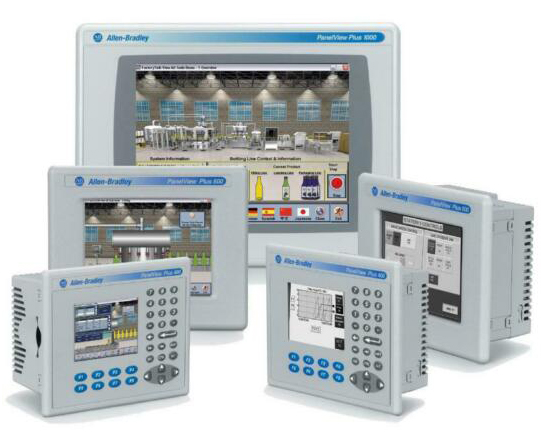
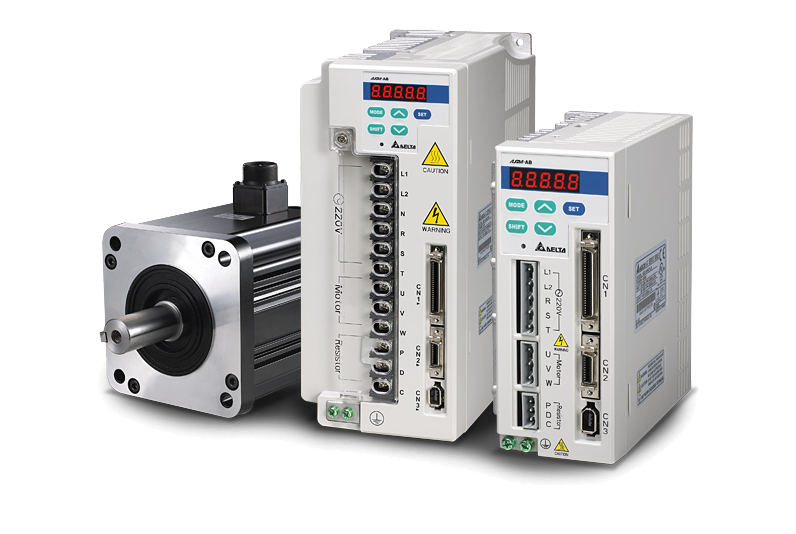
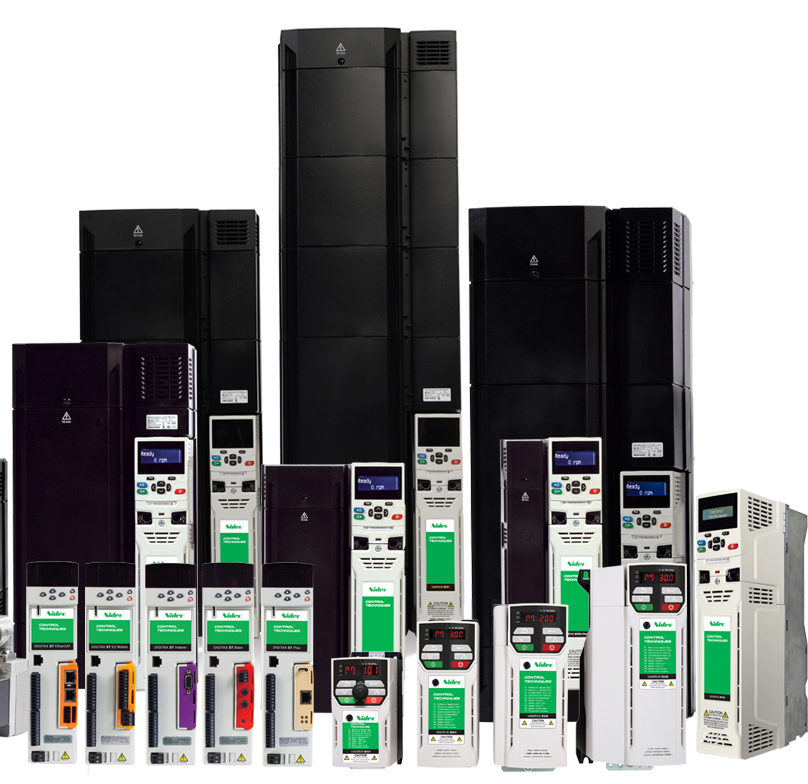
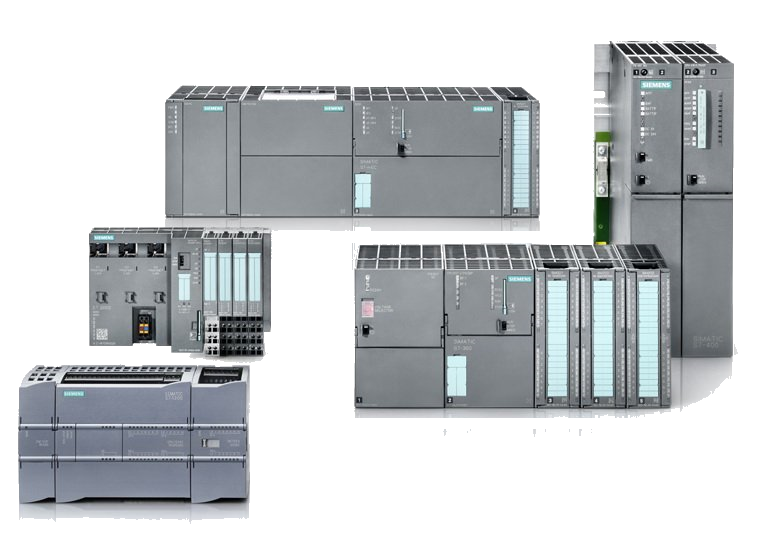
Turning Repair Into a Managed Process
Many repair shops are forced to sell possibility rather than probability. This is often due to lack of specialization, inconsistent volume, or the absence of outcome data.
NJT sells probability of success.
In industrial environments, probability is often more valuable than possibility.
What "Managed Repair" Means in Practice:
- standardized intake and triage
- technician specialization by product family
- documented repair outcomes
- defined warranty ownership
- a single contractual counterparty
How NJT Routes Repairs to Specialist Technicians
Single point of contact: Customer deals only with NJT
By combining:
- marketplace visibility through RepairMode
- professional triage
- real-world outcome data
- clear accountability and warranty ownership
repair stops being a gamble and becomes a repeatable operational decision.
Repair does not eliminate uncertainty.
It contains it.
Final Thought
Factories did not stop using open markets.
They hired professionals to use them correctly.
The same shift is now happening with repair.
RepairMode provides the capability.
NJT Automation provides the trust layer that makes it usable.
Managed repair does not eliminate uncertainty. It makes uncertainty visible, bounded, and accountable.
Repair is no longer feared or avoided.
It is managed.
Ready to Make Repair a Managed Decision?
Get a quote for parts or repairs with full accountability.
Request a Quote